↗
Set up with care
Initialize your device yourself, follow on-screen prompts, and install only the official companion app from a trusted source.
Device setup ↗A clearer way to begin your crypto journey. Set up your hardware wallet, protect your recovery phrase, and learn the essentials—one confident step at a time.
Your keys. Your control.
A practical guide to self-custody, built for real life.
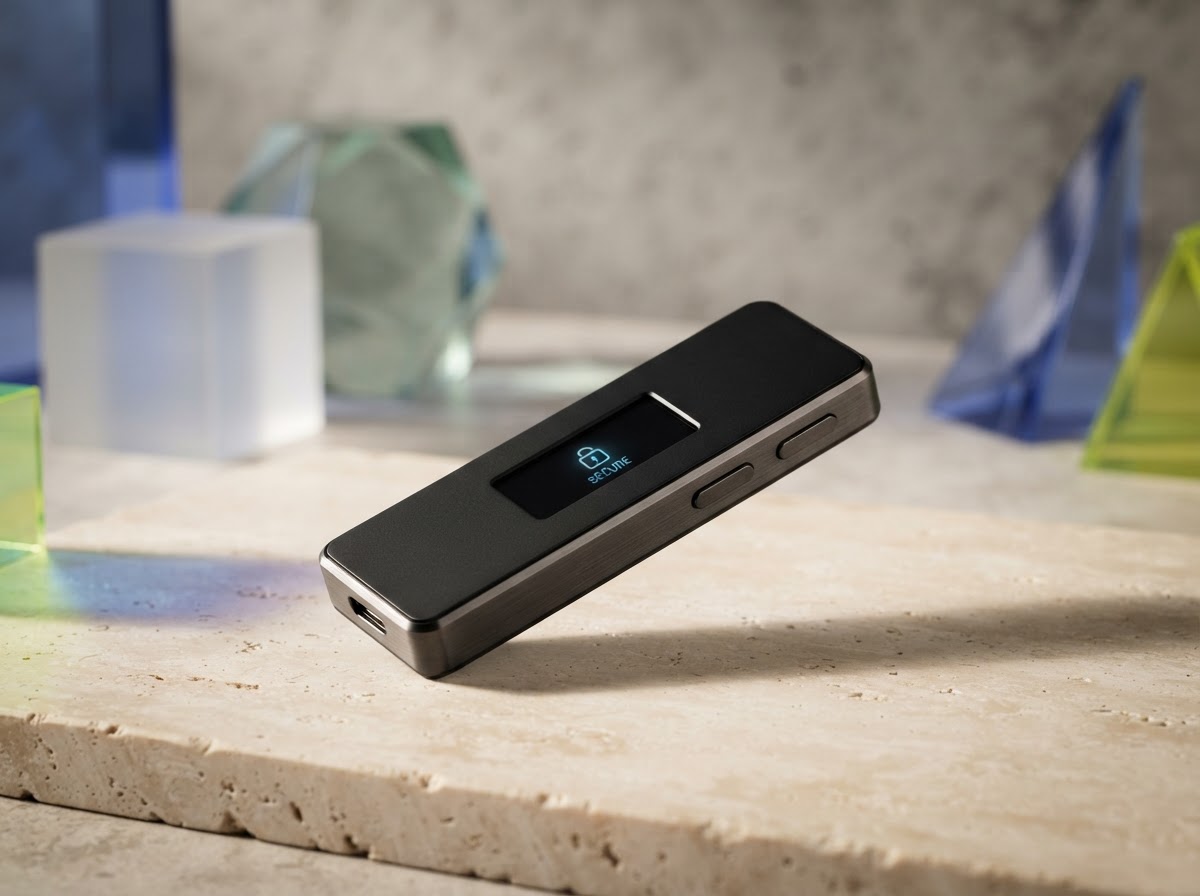
Good security isn’t a single setting. It’s a few thoughtful habits, practiced from day one.
Initialize your device yourself, follow on-screen prompts, and install only the official companion app from a trusted source.
Device setup ↗Write down your recovery phrase offline. Never share it, photograph it, or enter it into a website or message.
Protect your phrase ↗Check addresses and transaction details on your device screen before you approve. A pause can prevent a costly mistake.
Transaction basics ↗A hardware wallet keeps private keys isolated from everyday online activity. You stay in charge of approving transactions, while your recovery phrase remains the essential backup to protect offline.
Understand the essentials ↗One rule to remember
Anyone asking for your recovery phrase is trying to access your assets. Keep it secret, always.
Owning digital assets means taking an active role in how they’re protected. A hardware wallet helps keep your private keys offline, but safe self-custody is built from a handful of habits—not a device alone.
Begin by setting up your wallet in a calm moment. Follow the instructions shown on the device and use the official companion software. Create your PIN privately, and make sure the device’s recovery phrase is generated for you during setup. Never use a phrase someone else supplied.
Your recovery phrase is the master backup to your wallet. Write it down by hand and store it somewhere private, secure, and protected from damage. Don’t save it in a photo, cloud document, email, or password manager. Ledger will never ask you to reveal it—and neither should anyone else.
When you receive or send assets, take time to verify. Compare the full address and transaction details on your hardware wallet’s screen before approving. A familiar-looking message or website is not proof that a request is genuine. Bookmark trusted resources, keep device software current, and be wary of urgency, giveaways, and unexpected support messages.
Self-custody gives you more direct control, along with more responsibility. Start with small, deliberate actions. Learn how recovery works before you need it, and never rush an approval. A few careful checks can make your first steps feel a lot more confident.
Take the first step with the knowledge to make it count.
Return to setup